Electrical grounding is one of the most important safety features in your home, and one of the least understood. In simple terms, grounding provides a safe path for fault current to the earth rather than through you, your appliances, or your walls. If your home has two-prong outlets, an aging electrical panel, or a recent inspection that flagged grounding concerns, this is worth reading.
1. Grounding and Bonding Are Not the Same Thing
Most people use these terms interchangeably. They’re related, but they’re not the same.
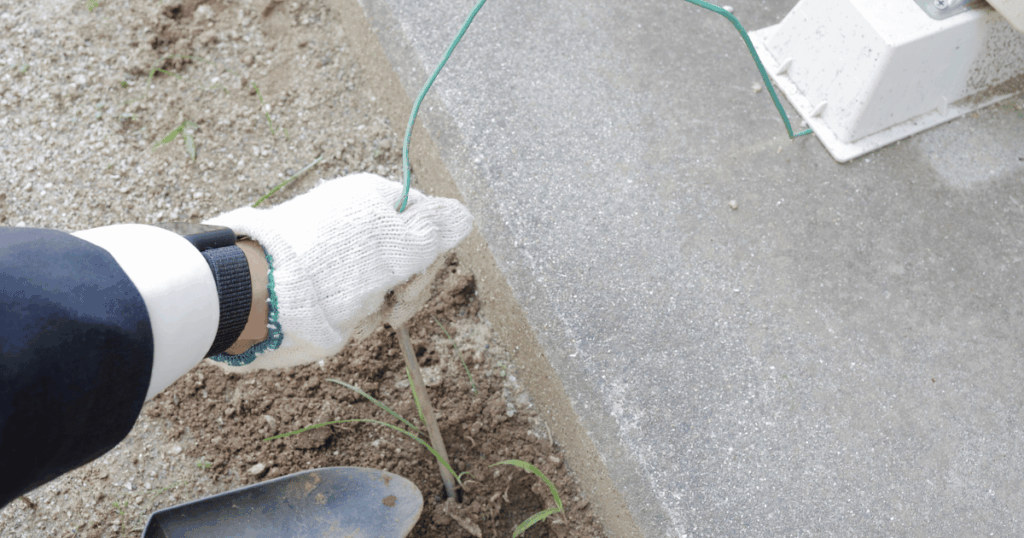
Grounding connects your electrical system to the earth. A metal rod — typically 8 feet or longer — is driven into the ground and connected to your electrical equipment through a bare copper wire called a grounding electrode conductor, or GEC.
Bonding connects all the metal parts of a system together so they share the same electrical potential. Think of it as making sure every conductive surface in your home is on equal footing.
Both matter. An electrician checking your system will look at both.
2. The Main Job of Grounding Is to Protect You and Your Home
Proper electrical grounding does three things:
It prevents electric shock by providing a path for fault current to earth rather than through a person. If a wire fails inside an appliance and the casing becomes energized, a grounded system safely redirects that current.
It helps prevent electrical fires. Uncontrolled fault current generates heat. Grounding helps get it out of your home’s wiring before that becomes a problem.
It enables your circuit breakers to work. A lot of homeowners don’t realize this, but circuit breakers need a grounded system to trip quickly during a fault. Without proper grounding, the breaker may not respond the way it should.
Grounding is also required by the National Electrical Code and enforced by local building and safety departments. It’s not optional in permitted work.
3. Electrical Grounding Helps With Surges and Lightning — But It Has Limits
This is where a lot of information online overstates the case, so it’s worth being straightforward about it.
Grounding helps reduce damage from power surges and lightning by directing excess current to ground. But lightning is an extremely destructive force. A properly grounded system can still sustain significant damage from a direct or nearby strike.
The same goes for surges. Grounding reduces risk; it doesn’t eliminate it.
If you have sensitive electronics, a whole-home surge protector is worth considering. Most can be installed on a 200-amp service for under $300 and add a meaningful layer of protection to your grounding system. Some municipalities now require them in new construction.
4. GFCIs Protect People. Grounding Protects Property. You Need Both.
This distinction matters, and most articles get it wrong.
A grounded electrical system is primarily designed to protect your equipment and property by managing fault current. A GFCI, ground fault circuit interrupter, is specifically designed to protect people from electrocution.
Here’s how a GFCI works: it constantly monitors the current leaving on the hot wire and the current returning on the neutral wire. Under normal conditions, those two numbers match. If it detects even a small difference, as little as 4 to 6 milliamps, it shuts off the circuit almost instantly.
GFCIs can come as circuit breakers or as outlets with test/reset buttons, as you’ve likely seen in bathrooms and kitchens. The NEC actually allows GFCI-protected circuits to substitute for an equipment ground in certain situations, because of how reliably they protect people.
Where GFCIs are required: bathrooms, kitchens, garages, unfinished basements, crawl spaces, outdoor outlets, and anywhere near water.
5. Signs Your Home May Have an Electrical Grounding Problem
This is the practical part. Here’s what to look for:
- Two-prong outlets throughout the home. Common in houses built before the late 1960s. That missing slot is the ground.
- No GFCI protection in bathrooms, kitchen, garage, or exterior outlets.
- An older panel that hasn’t been updated or inspected in years.
- Aluminum wiring is common in homes built in the 1960s and 70s. It presents its own set of safety and grounding considerations.
- Frequently tripping breakers or experiencing unexplained power fluctuations.
- A mild tingle or small shock when touching an appliance or metal fixture.
- A home inspection flagged grounding or electrical system concerns.
- An insurance inquiry about your electrical system, insurers increasingly ask about grounding, especially in older homes, and can require upgrades before issuing or renewing coverage.
- Visible corrosion on the panel or grounding connections.
- A system that has simply never been tested.
You don’t need all of these to have a problem. One or two is reason enough to have a licensed electrician take a look.
6. Grounding Systems Need to Be Tested Periodically
An electrical grounding system isn’t a set-it-and-forget-it installation. Over time, corrosion and loose connections can degrade its effectiveness, even if everything was installed correctly to begin with.
This isn’t a DIY inspection. Testing requires a licensed electrician with the proper equipment to verify that the system is functioning as intended.
Good times to have it checked: when buying an older home, after a significant storm or surge event, after an insurance inquiry about your electrical system, or simply if it’s never been checked and you don’t know when it was last inspected.
7. What to Do If You’re Not Sure About Your System
If your home has two-prong outlets, an older panel, or anything from the warning signs list above, the right move is straightforward: have a licensed electrician inspect it. Not every situation requires a full rewire or major upgrade. Sometimes it’s a straightforward fix. But you won’t know until someone looks.
At C-U Trade Services, our electricians handle electrical grounding inspections, GFCI installation, panel evaluations, and whole-home surge protection for homes and businesses across Central Illinois. If something’s come up on an inspection or you’ve been putting off looking into it, give us a call.
FAQ
What is the difference between grounding and bonding? Electrical grounding connects your electrical system to the earth to safely dissipate fault current. Bonding connects all metal parts of the system together so they share the same electrical potential. Both are required for a safe, code-compliant electrical system.
Do I need a GFCI if my outlets are already grounded? Yes. Grounding and GFCIs serve different purposes. Grounding protects equipment and property. GFCIs protect people. In areas near water, bathrooms, kitchens, garages, and outdoors, GFCIs are required by the NEC regardless of whether the outlets are grounded.
What happens if a house isn’t properly grounded? Fault current has no safe path to earth. That means it can travel through appliances, wiring, or people. Risks include electric shock, electrocution, electrical fires, and equipment damage. It can also prevent circuit breakers from tripping quickly during a fault.
Will my homeowner’s insurance cover damage from an ungrounded system? Policies vary, but many insurers will flag ungrounded systems, especially in older homes, and may require upgrades before issuing or renewing coverage. If your insurer has asked about your electrical system, it’s worth having an electrician assess it.
Can a house pass inspection without proper grounding? In most cases, no. Grounding is required by the NEC and enforced by local building and safety departments. Homes with two-prong outlets may have been built before modern requirements and may be legal, but permitted work — renovations, additions, panel replacements will require grounding to the current code.