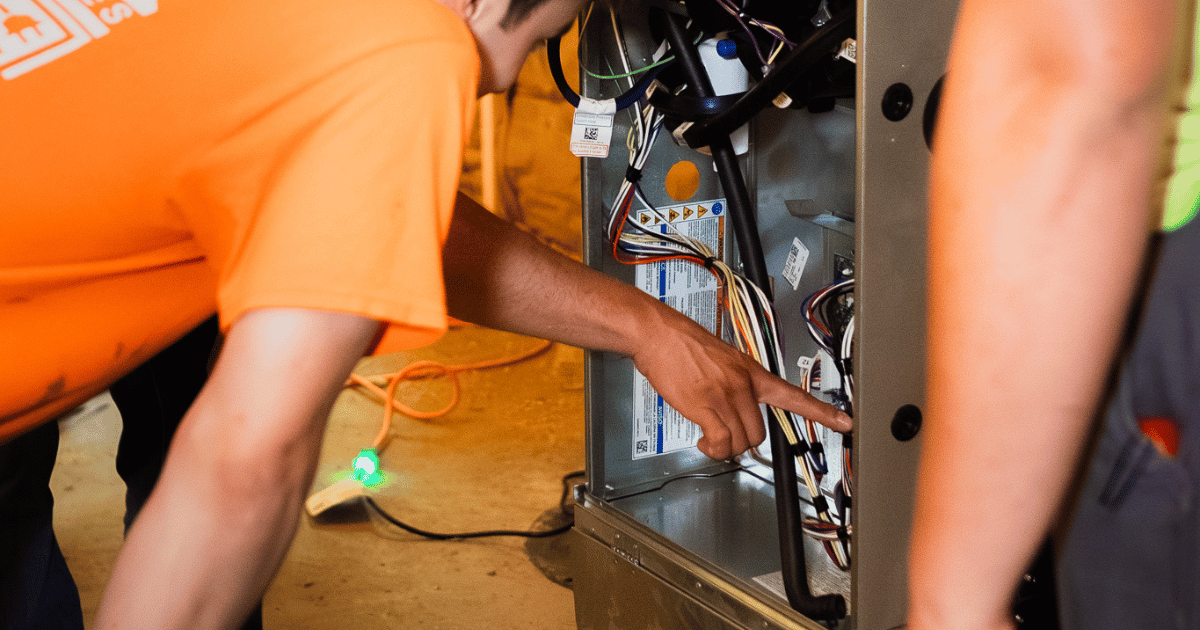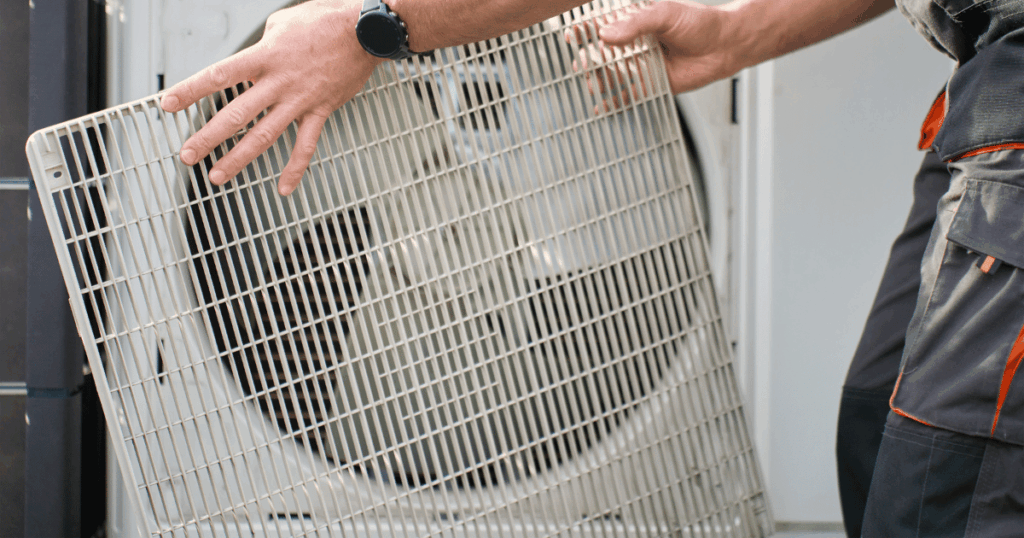
Heat pumps have outsold gas furnaces in the U.S. every year since 2021. That’s not a blip. It reflects a real shift in how homeowners are thinking about heating and cooling, and a few practical reasons are driving most of it. This post breaks down what’s behind the trend and helps you decide whether a heat pump is worth considering for your home.
What a Heat Pump Actually Does
A heat pump heats and cools your home using a single outdoor unit by moving heat rather than creating it. In winter, it pulls heat from the outside air and moves it inside. In summer, it reverses the process, pushing heat out of the house to cool it down.
That’s not just a clever design, it’s why heat pumps are so efficient. Instead of burning fuel to generate heat, the system moves heat that already exists. That process uses significantly less energy than a traditional furnace to achieve the same level of comfort.
One system handles both seasons. That’s the core appeal.
Why the Numbers Have Shifted
The sales data is hard to ignore. Over the past 20 years, annual heat pump sales have increased by 70%, while gas furnace sales have declined by 7%. A few things are driving that momentum. RMI
Lower operating costs.
Because heat pumps move energy rather than generate it, they’re typically 3 to 4 times more efficient than a gas furnace. For many homeowners, that translates directly to lower monthly utility bills, especially over the life of the system.
One system replaces two.
If your furnace and central AC are both aging, replacing them separately can get expensive fast. A heat pump handles both. That single-system math is compelling when homeowners are already facing a replacement decision.
A growing market.
Google searches for the term “heat pump” have doubled in the last five years. More homeowners are actively researching the option, which means more are choosing it. Awareness is part of what’s driving market shifts. Canary Media
Do Heat Pumps Work in Illinois Winters?
Yes, modern heat pumps work in Illinois winters, including during cold snaps. This is the question we hear most often from Central Illinois homeowners, and it’s a fair one.
The concern comes from older heat pump technology, which could struggle when temperatures drop well below freezing. That’s not where the technology is today. Trane’s cold-climate heat pumps deliver 100% heating capacity down to 5°F and 70% at -13°F. Trane
For context, most Illinois winter days don’t push those limits. When temperatures do get extreme, a backup heat strip or a hybrid system (a heat pump paired with a gas furnace) can fill the gap. That’s a common setup here, and it works well. The heat pump runs efficiently for most of the season, and the backup kicks in only when needed.
As Trane Comfort Specialists, we can size and configure systems built for this climate, not just generic installations that assume mild winters. Proper sizing matters a lot for cold-weather performance.
Heat Pump vs. Furnace: What the Cost Comparison Looks Like
This is where the conversation gets more nuanced, and we’d rather give you an honest picture than a sales pitch.
Upfront costs are higher.
A heat pump system typically costs more to install than a gas furnace. That gap varies depending on the home, the system, and existing ductwork, but it’s real and worth planning for. Financing is available through C-U Trade Services, making that initial investment more manageable.
Operating costs are generally lower.
Most homeowners see the difference over time through lower monthly energy bills. How much lower depends on your home’s insulation, your current fuel type, and local utility rates. We can walk through the math with you before you commit to anything.
The incentive landscape has changed.
The federal 25C tax credit for heat pumps expired at the end of 2025. If you installed a qualifying system in 2025, you can still claim it on this year’s taxes — but it’s not available for new installations going forward. The geothermal heat pump credit (Section 25D) is still active at 30% through 2032. State and utility rebate programs vary, and some are still rolling out. It’s worth checking what’s available in Illinois before you make a decision. Electrify Guide
The honest takeaway: if you’re on natural gas with a newer furnace, the switch may not pencil out right now. If your system is aging or you’re already replacing an AC that’s when heat pumps start making a lot more financial sense.
What to Think About Before You Decide
A heat pump isn’t right for every home, but it’s worth evaluating seriously if any of these apply:
Your furnace or AC is 10-plus years old. That’s the natural decision point. If you’re facing a replacement anyway, a heat pump deserves a real look.
You have existing ductwork. Most heat pump systems use the same ductwork as a central furnace-and-AC setup. Homes without duct systems can still use ductless mini-splits, but the scope of installation is different.
You’re replacing your AC. This is the most overlooked opportunity. If your air conditioner needs replacing and your furnace is aging, installing a heat pump instead of a new AC gives you both functions in one system.
You want lower monthly energy costs over time. The efficiency advantage compounds over the years. If you’re staying in your home long-term, the difference in operating costs matters more.
If you’re not sure where you land, a conversation with one of our technicians is a good place to start. We can review your current system and your home’s setup to give you a straight answer on whether a heat pump makes sense.
FAQ
Are heat pumps worth it in Illinois?
For many Central Illinois homeowners, yes. Modern heat pumps handle Illinois winters effectively, and their efficiency advantage over gas furnaces typically lowers monthly energy costs over time. The strongest case for switching is when a furnace or AC replacement is already overdue.
Do heat pumps work when it’s really cold outside?
Yes. Cold-climate heat pumps from manufacturers like Trane provide full heating capacity down to 5°F and partial capacity well below that. For extreme cold snaps, a hybrid system pairs a heat pump with a gas furnace as backup so you’re covered regardless of the weather.
Can a heat pump replace both my furnace and AC?
Yes. A standard heat pump provides both heating and cooling from a single outdoor unit. If your home has existing ductwork, the installation process is similar to replacing a central air system.
What size heat pump do I need?
Sizing depends on your home’s square footage, insulation, ceiling height, window placement, and local climate. An undersized or oversized system won’t perform efficiently. We do a proper load calculation before recommending equipment.
Are there still incentives available for heat pumps?
The federal 25C tax credit expired at the end of 2025 for new installations. Geothermal heat pumps still qualify for a federal credit through 2032. State and utility rebate programs vary. Check what’s currently available in Illinois before making a decision.
Does C-U Trade Services install heat pumps?
Yes. We install heat pump systems for residential customers in the Champaign-Urbana area and surrounding Central Illinois communities. As a Trane Comfort Specialist, we work with equipment built to perform in this climate.
Ready to find out if a heat pump makes sense for your home? Call us, and we’ll give you a straight answer based on your specific situation.